
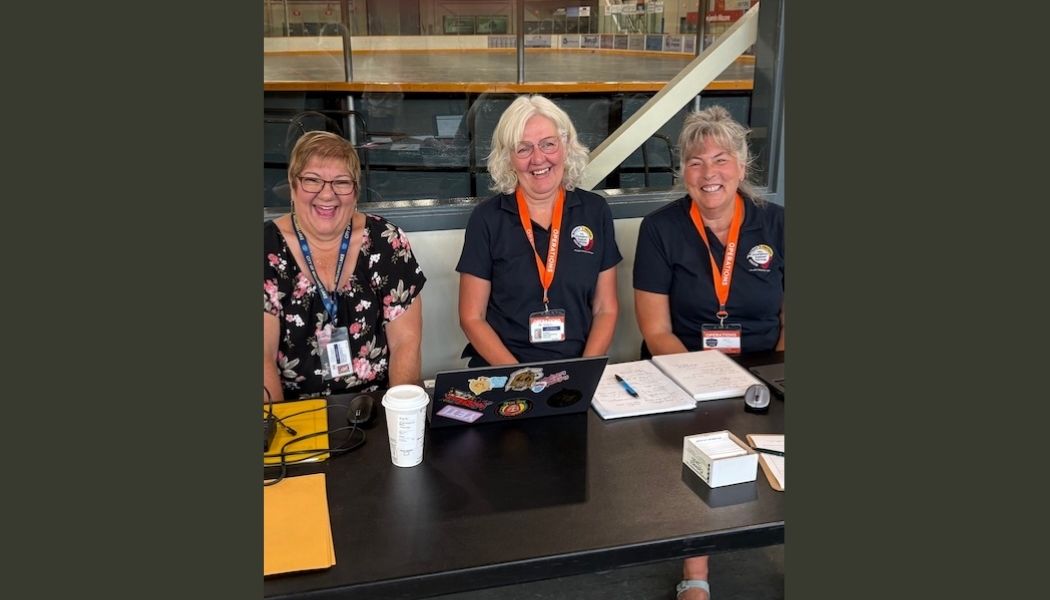
By Eva Navrot, Regional Mentor for Cariboo Chilcotin & ESS Responder
The wildfire season has been particularly aggressive and complex this year, leading to many evacuations in communities with large demographics of older adults, such as Clinton and Summerland.
When an emergency forces people from their homes, the immediate priority is getting everyone to safety. However, for older adults, particularly those living with mobility limitations, chronic health conditions, cognitive decline, or social isolation, evacuation can create a layer of vulnerability that is easy to overlook.
Older and vulnerable adults living in rural areas may also face unique challenges regarding communication (such as an inability to receive alerts due to technology gaps), transportation, support networks, and access to community services.
I have worked with Emergency Support Services (ESS) since 2017, when my home community of Williams Lake was forced to evacuate in its entirety.
During that event, I chose to stay behind to support evacuees and assist with re-entry through the resiliency centre. I am also an active member of the BC Association of Community Response Networks (BC CRN), helping to prevent adult abuse and neglect.
Through my experience with ESS, I have seen firsthand how stressful and disorienting an evacuation can be for older adults. Leaving a familiar home, routine, and community can be frightening.
During a crisis, some evacuees suddenly find themselves relying on strangers, family members, or temporary caregivers for transportation, medications, personal care, and financial assistance. This combination of stress, dependency, and uncertainty creates a “perfect storm” for heightened vulnerability.
During an evacuation, the usual safeguards that protect an older adult may disappear, as family members and primary caregivers are often under tremendous stress themselves.
An older person may be reluctant to complain or disclose mistreatment, particularly if they depend on the person causing them harm. Others may struggle to communicate their concerns due to hearing, vision, or cognitive challenges.
I have personally observed the immense pressure placed on older adults and their family members when trying to distribute limited financial resources fairly.
This environment often creates opportunities for financial abuse and neglect, sometimes leaving one family member with all the resources while others go without. And as much as we hope this doesn’t happen, it remains a real risk within an imperfect system.
As an ESS responder, I believe education surrounding abuse and neglect, alongside awareness of resources for vulnerable adults, is essential.
Responders often notice red flags but are unsure of how to report them, and this is where BC CRN plays an instrumental role, offering clear processes on how to recognize, respond to, and report suspected abuse or neglect.
Elder abuse can take many forms, including physical, emotional, and psychological abuse, neglect, and financial exploitation. And in an emergency environment, warning signs can be difficult to spot because disruption and high stress affect everyone.
This raises an important question: Are we doing enough to protect vulnerable older adults from abuse during and following an emergency evacuation?
While ESS provides a critical lifeline to people displaced by disasters, emergency planning must go beyond providing food, shelter, and basic physical safety. We must actively consider the unique vulnerabilities of older adults.
Greater awareness and training for emergency volunteers, private spaces where vulnerable adults can speak independently, dedicated attention to things like medication and mobility needs, and clear reporting procedures would all help strengthen our safety net.
As natural disasters become more frequent and severe, we must recognize that keeping someone safe means more than just removing them from immediate danger. It means ensuring that older adults remain respected, supported, and protected throughout the entire evacuation and recovery process.
For CRNs across the province, there is a tremendous opportunity to build local partnerships and share information with ESS programs regarding the prevention of abuse and neglect.
And approaching local ESS teams to offer training on how to spot red flags and navigate reporting pathways is a powerful place to start.
