
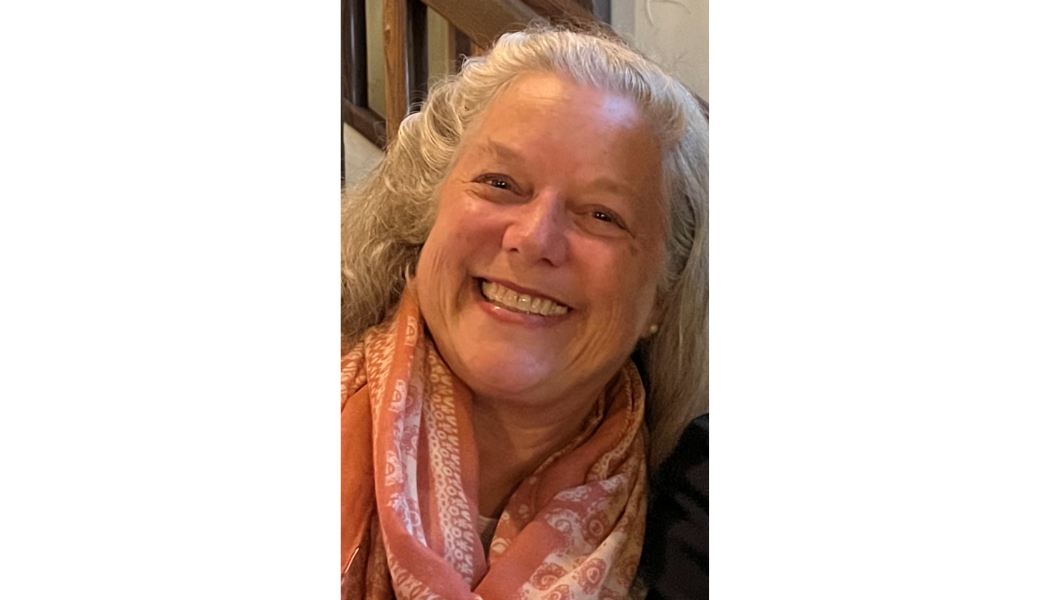
Mary Catherine Williams brings deep experience and compassion to her role as Regional Mentor for North Vancouver Island.
With more than 40 years of work and volunteer experience in the social sector, she has supported children, families, older adults, and communities in many ways.
She believes communities can help create safety for vulnerable adults when people know each other, work together, and are willing to act.
A Career Shaped by Vulnerability and Care
When asked what experiences shaped her most, Mary Catherine pointed to work she did early in her career in Vancouver’s Downtown Eastside.
“Early on when I was a childcare worker I started working in the Downtown Eastside of Vancouver in a childcare centre, and really began to understand the discrepancies between our worlds of people that are privileged and have and people that are less privileged and don’t have the services and supports that they need for a decent life.”
And that experience stayed with her.
“So, I think that sort of juxtaposition of vulnerability really caught my attention,” she said. “I was always very protected by my privilege. And I think probably what really captured me is just understanding how vulnerable people are and how much they can be impacted in their lives day to day, if not for the support and caring people.”
Finding Her Way to BC CRN
Mary Catherine’s connection to BC CRN began long before she stepped into the role of Regional Mentor.
“Originally, I was the executive director of an organization that became host to the CRN,” she explained. “So, one of my staff took on the role of local coordinator and I was her manager, of course. And so that’s when I started to learn about CRN, and, you know, learned about the programming and what’s available.”
That early connection gave her a strong understanding of what Community Response Networks are meant to do.
And for Mary Catherine, one of the most important parts of BC CRN’s work is its focus on connection.
A Region of Diversity and Resilience
North Vancouver Island is a large and varied region, and Mary Catherine said that shapes her work in important ways.
“First of all, we have kind of a range because we have larger cities, and then we have very small, isolated villages, and even islands, where there’s just a few hundred people living and they don’t even have power or, you know, ferries, and they’re just very isolated,” she said. “It’s a large area, and it’s quite diverse. We have over 20 First Nations in our area.” 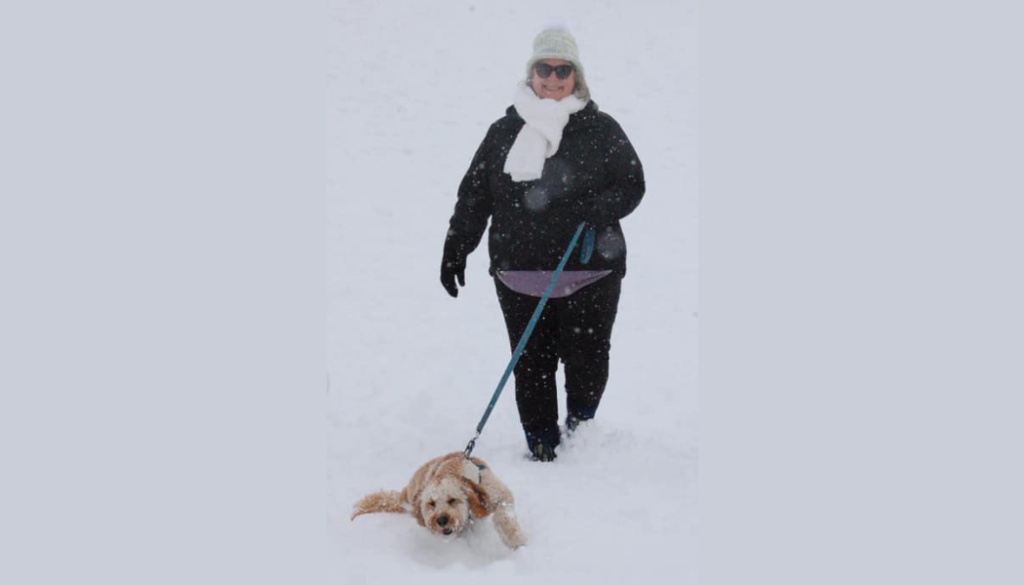
What stands out most to her is the resilience of the people who live there.
“These are communities where they’ve worked hard, as they were based in sort of environment or resource industries, like fishing, logging and things like that,” she said. “So, it’s a very resilient space.”
Mary Catherine also sees a strong spirit of collaboration in these communities.
“They do care about each other, and the communities work together in a pretty amazing way,” she said. “I noticed the smaller communities, they really work together, they collaborate well, and they find their path through the problems that they have.”
When asked what makes North Vancouver Island unique in terms of preventing abuse and neglect, Mary Catherine was clear: “I think it’s the collaboration,” she said.
“We have distance from services, we have ferries, and we’ve got highways a long way between us and the bigger communities,” she said. “So, our communities have had to work together already, and BC CRN is really in a position to support that.”
Building Connection in a Changing World
One area Mary Catherine is especially focused on right now is digital literacy.
“One thing I learned is there is a huge discrepancy and there’s a growing sort of chasm between people that use technology and people that either can’t use technology, don’t use technology, won’t use technology, or are just falling behind because they’re not able to keep up with the changes in what’s available,” she said.
“And again, that leads to people being vulnerable and not getting information and support that they need and access to what we all think everyone has access to.”
In response, Mary Catherine is helping strengthen collaboration around digital literacy and digital safety across the region.
“One of the things I’m doing is trying to build collaboration between the communities that are all doing this work, and also expanding out,” she said.
She described a drop-in program at the library in Campbell River, for instance, where people can come in with questions and get support. “We’re building capacity,” she said. “We’re teaching people how to fish, we’re not giving them a fish dinner.”
What’s more, Mary Catherine is also focused on building stronger relationships with First Nations communities in the region. There are relationships to build and connections to make with communities and Nations while asking “how would they like to be supported by the BC CRN?”
Breaking the Silence Around Abuse and Neglect
For Mary Catherine, one of the biggest barriers to prevention is that people still don’t want to talk openly about abuse, neglect, and self-neglect.
“I think the biggest challenge is people don’t want to talk about it. It’s still a very taboo topic,” she said.
“What I noticed is once people know we’re here, we get more calls from local service providers saying I have this person with this problem, or this person, and they haven’t ever known who to call. And so, they just quietly sit on it.”
“People might not even recognize that it is abuse, they might think this is normal,” she said.
According to Mary Catherine, one of the most important parts of BC CRN’s role is helping people know what to do next.
“So, then what? Okay, I’m concerned about someone, what do I do?” she said. “I think building those skills and that knowledge is really, really fundamental.”
Hope and Purpose
Mary Catherine is realistic about the challenges, but she is also deeply hopeful.
“I’m a sunny girl,” she said. “Another part of resilience is optimism. You have to believe that things can get better to be resilient. And I do have an optimistic nature.”
She also believes change happens through steady action. And to explain that, she shared a story she’s always loved about a helpful hummingbird.
“There’s a story about a hummingbird, where there’s a forest fire, and all the animals are fleeing. And the hummingbird is taking water from a lake and dropping it onto the fire and going back and forth and back and forth. And one of the animals yells up and is like, ‘Hummingbird, what are you doing? Get out of here!’ And the hummingbird says, ‘I’m doing what I can.’”
The point of the story is not that one small bird can put out a forest fire alone. It’s that even in the face of something overwhelming, there is still value in doing what you can, which clearly speaks to how Mary Catherine sees this work.
“I think hummingbird had the right idea that there’s a big bunch of stuff happening. I can’t change it all. But I can keep walking forward doing my piece.”
And it’s this idea that continues to give Mary Catherine hope. Not the idea of one perfect solution, but the belief that meaningful change happens one step at a time.
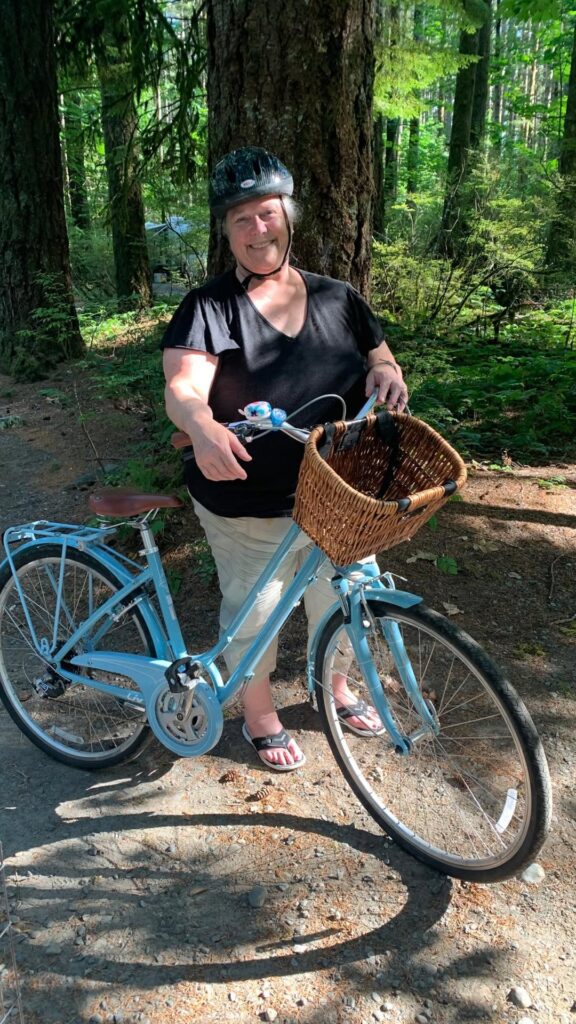
When she’s not working, Mary Catherine enjoys swimming, biking, gardening, spending time with family, visiting her new grandbaby, and walking her Cockapoo, Cooper.
